
For years, the Dominican Republic has been known for what is easy to see: spectacular beaches, warm weather, all-inclusive resorts and convenient access from major U.S. gateways.
But incentive travel in the Dominican Republic is changing.
As we look toward 2027, successful programs will increasingly be defined not simply by where a group travels, but by what they experience once they arrive.
For planners considering Punta Cana incentive travel, this shift creates an opportunity to look beyond the traditional resort experience and use the destination itself as part of the incentive.
Research from the Incentive Research Foundation (IRF) reinforces this shift, pointing to growing demand for novelty, meaningful experiences and stronger local partnerships.
Here are eight trends we believe will shape incentive travel in the Dominican Republic in 2027.
1. Authentic and Unique Experiences Will Matter More Than Ever
Luxury is still important, but luxury alone is no longer enough.
Participants increasingly want experiences they could not easily recreate on their own.
The 2025 Incentive Travel Index found that nearly 70% of incentive travel buyers are looking for destinations they have not previously used. At the same time, younger generations of qualifiers are changing expectations around activities, flexibility and program design.
That presents an interesting opportunity in the Dominican Republic because the destination offers dramatically different environments within relatively short distances.
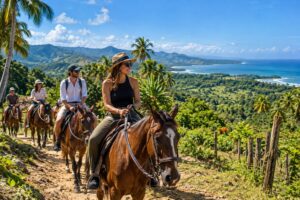
In the Dominican Republic, a group staying in Punta Cana can move from the luxury of Cap Cana to more authentic rural communities, where tropical landscapes, local cuisine and adventure await, or venture further to the nature-driven setting of Miches and the island excursions of La Romana and Bayahibe.
For 2027, we expect more planners to ask:
What can our attendees experience here that they cannot experience anywhere else?
That is where a knowledgeable Destination Management Company (DMC) in the Dominican Republic becomes especially valuable.
2. Local Immersive Experiences Are Becoming Part of Event Design
The line between an “activity” and an “event” continues to disappear.
Instead of simply scheduling a tour one afternoon and a themed dinner that evening, planners are increasingly connecting experiences throughout the program.
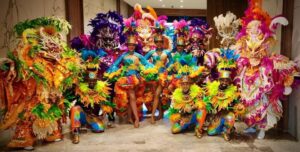
Increasingly, that means event design and production that brings local immersive experiences into dinners, activities, entertainment, décor, food and beverage, gifting and storytelling.
A Dominican experience does not have to mean adding a few palm trees, the colors of our flag and merengue music to a ballroom.
It might mean creating a dinner in an unexpected outdoor location, incorporating Dominican artisans into a live activation, building a culinary journey around local ingredients, or transforming an otherwise traditional event into an environment influenced by the colors, textures and culture of the country.
The IRF’s 2026 Trends Report describes a shift away from simply giving participants unstructured free time and toward intentional “micro-moments” such as hyper-local hosts, ateliers and sensory experiences that encourage interaction and increase perceived value.
This is exactly where local activations can become powerful.
Sometimes the experience attendees remember most is not the biggest production of the week. It may be meeting the person who made the gift they received, learning a Dominican craft, discovering an unexpected local flavor or sharing an experience that creates a genuine connection to the destination.
3. Corporate Gifting in the Dominican Republic Is Becoming More Local, Personal and Intentional
Corporate gifting remains an important component of incentive programs, but the philosophy behind gifting is changing.
According to the IRF, organizations are increasingly concentrating their event gifting budgets on fewer, higher-value gifts, with growing emphasis on products that are useful, meaningful and locally sourced.
The future of gifting is not necessarily more gifts.
It is better gifts.
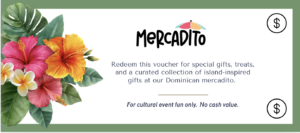
In the Dominican Republic, that creates opportunities to work with local designers, artisans and small businesses producing everything from Larimar jewelry and handmade accessories to locally produced food, coffee, cacao, beauty products, art and sustainable goods.
The gift can also become an experience.
Rather than placing another branded item in a hotel room, imagine inviting attendees into a curated Dominican market where they meet local makers and select something meaningful to take home.
That combines corporate gifting, branding and personalization with a genuine connection to the destination.
And in an increasingly global industry, sourcing locally can solve another problem. IRF research found that 33% of Incentive Travel Index respondents had experienced challenges transporting goods across international borders. Working with local vendors and DMCs can reduce customs complications while putting more program spend directly into the destination.
4. Sustainable Practices Are Moving From Talking Point to Program Design
Sustainability is no longer something that needs to exist separately from the guest experience.
Some of the most effective sustainable practices can actually improve the program.
Refillable water stations can reduce disposable plastic, and thoughtful menu planning can incorporate seasonal, locally sourced ingredients, which also reduces transportation requirements.
Gifts can make an impact in local communities, since simple purchasing decisions can reach the people who need economic support most.
CSR should be built into every aspect of a program rather than treated as a standalone activity that fails to motivate or engage participants.
The IRF has reported that sustainability is expected to become increasingly important over the longer term, while planners are already adopting measures such as reducing unnecessary travel distances.
For incentive planners, the challenge for 2027 will be moving from saying a program is sustainable to showing where thoughtful decisions were actually made.
5. Event Design and Production in the Dominican Republic Will Become More Destination-Specific
Another trend we expect to accelerate is the move away from generic event concepts.
Beautiful décor is no longer enough.
The most compelling event design and production tells a story.
In a destination as visually rich as the Dominican Republic, planners can work with the landscape instead of trying to compete with it.
Think beyond the ballroom:
A tropical garden transformed for an evening.
A beach dinner with subtle Dominican design references rather than a predictable Caribbean theme.
An unexpected venue constructed specifically for one group.
A celebration incorporating local artists, performers and culinary talent.
Or an off-property experience where the transportation, arrival sequence, entertainment, food, gifting and décor all feel like chapters of the same story.
That is the difference between decorating an event and designing an experience.
6. Branding and Personalization Will Become More Subtle
The era of putting a corporate logo on everything may finally be evolving.
Branding will remain important in 2027, but we expect it to become more sophisticated.
Instead of branding every object, thoughtful programs will incorporate the company’s identity through colors, storytelling, personalization and unexpected details.
That might include individually selected gifts, customized welcome experiences, personalized excursions or subtle brand elements integrated into event design and production.
The objective is not simply for participants to see the company logo.
It is for them to understand that the experience was created specifically for them.
7. Group Transportation and Logistics Will Become Part of the Experience
Behind every effortless incentive program is an enormous amount of planning.
As programs become increasingly customized, group tour logistics and transportation become even more important.
The IRF notes that air access has become a significant factor in destination selection: direct access was identified as a destination “must-have” by 41% of respondents, while difficult air access was the second most significant deterrent, cited by 40%. Ground-transfer time is also increasingly part of the equation.
But transportation is not simply about moving people from Point A to Point B.
Airport arrivals, transportation dispatch, vehicle selection, luggage handling, VIP movements, off-property activities and departure management are all touchpoints in the participant experience.
For large incentive groups in Punta Cana and beyond, sophisticated group tour logistics and transportation can determine whether an ambitious program feels seamless or exhausting.
This is also where local destination knowledge matters.
Planners evaluating general travel services, such as transportation, arrival logistics and other DMC support, should look beyond vehicle inventory and consider operational structure, airport capabilities, contingency planning and the experience of the team actually operating the program.
8. The Role of the Dominican Republic DMC Is Expanding
Perhaps one of the most significant industry trends is the increasing reliance on strong local partners.
The IRF reports that 29% of Incentive Travel Index respondents consider the presence of a good DMC a destination “must-have.” The research highlights the role DMCs play in providing trusted local relationships, streamlined logistics and access to unique experiences.
That role is becoming broader.
A modern DMC is no longer simply the company that books transportation and activities.
The right Dominican Republic DMC becomes a local resource for destination intelligence, creative development, risk assessment, venue sourcing, event design and production, corporate gifting, local activations, staffing, transportation and the countless details required to operate a program successfully.
Why the Dominican Republic Is Well Positioned for Incentive Travel in 2027
The Dominican Republic’s strength is not a single destination.
It is the variety available within the country.
Punta Cana offers one of the Caribbean’s most established resort destinations, extensive hotel inventory and a mature infrastructure for incentive groups.
Cap Cana offers a more intimate, exclusive environment with distinctive resorts, private beaches, a quaint marina experience and multiple private venues.
Miches is one of the country’s top emerging destinations, with ethereal mountains, natural landscapes and newer resort development, offering a chance to build experiences in a place many attendees have never visited.
La Romana and Bayahibe offer another style altogether, combining iconic resorts like Casa de Campo, unique enclaves for sightseeing, pristine Caribbean waters, signature golf, and cultural and culinary experiences, plus private boating to Saona and Catalina islands in the National Park of the East, all worlds away from Punta Cana.
For planners searching for tropical incentives, the Dominican Republic may be familiar — but that does not mean the experience needs to be.
The opportunity is to uncover what lies beyond the obvious.
Looking Toward 2027
The next generation of incentive travel will not be defined by having the most activities, the biggest gift or the most elaborate décor.
It will be defined by intentionality and by experiences that genuinely belong to the place where they happen.
Authentic and unique experiences. Local immersive experiences. Sustainable practices. Thoughtful corporate gifting. Strategic branding and personalization. Creative event design and production. Flawless group tour logistics and transportation.
And, perhaps most importantly, experiences that genuinely belong to the place where they happen.
Because after traveling hundreds or thousands of miles to the Dominican Republic, attendees should leave knowing they experienced something they could have found nowhere else.
That is where destination knowledge makes the difference — and where the right, truly local DMC partner can help turn a beautiful destination into an unforgettable incentive experience.
Frequently Asked Questions About Incentive Travel in the Dominican Republic
What is a DMC in incentive travel?
A Destination Management Company (DMC) is a local partner that handles on-the-ground planning and logistics, including venue sourcing, transportation, activities, event design and décor. According to the 2025 Incentive Travel Index, 29% of respondents consider a strong DMC a destination “must-have.”
Why is the Dominican Republic a good destination for incentive travel?
The country offers a wide variety of landscapes suited to incentive travel, from Punta Cana’s established resorts to Cap Cana, Miches, La Romana and Bayahibe. Access and connectivity make the destination even more compelling and attractive for groups coming from North America and the rest of the world.
What incentive experiences go beyond the all-inclusive resort?
Options include private boating, dinners in unexpected outdoor locations, culinary journeys built around local ingredients, live activations with Dominican artisans and curated local markets where attendees meet the makers.
What corporate gifts work best in the Dominican Republic?
Locally made gifts such as Larimar jewelry, coffee, cacao, art and handmade accessories tend to feel more meaningful than branded items.
Planning an incentive program in the Dominican Republic? Contact Dominicana & Partners to request a proposal or arrange a site inspection at sles@dominicanadmc.com
Sources: Incentive Research Foundation, IRF 2026 Trends Report; 2025 Incentive Travel Index (IRF and SITE, with Oxford Economics); IRF Industry Outlook for 2026 on event gifting.